

A brutal shark mauling at a busy Sydney beach reignites a hard truth: nature does not pause for safety rules.
Story Snapshot
- A 35-year-old woman suffered critical arm and leg injuries at Coogee Beach [1].
- Emergency crews and beach lifesavers shut the area and launched active searches [2].
- First reports did not confirm the shark species, limiting long-term risk claims [2].
- The case shows how rare but severe threats demand clear, fast responses.
Critical Midday Attack Triggers Swift Beach Shutdown
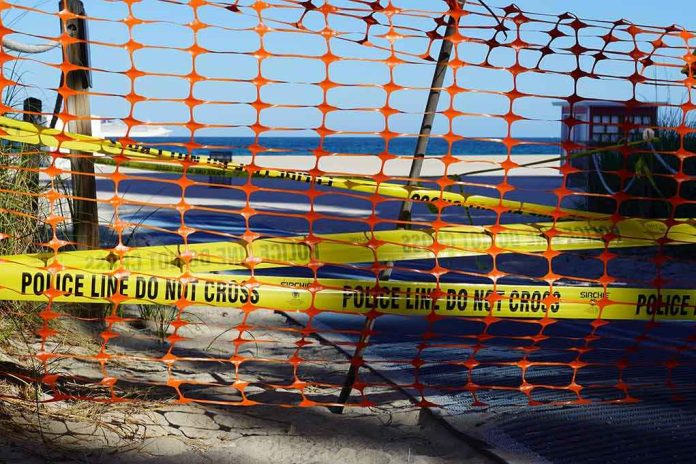
Australian police and medics rushed to Coogee Beach late morning after a woman was mauled near shore. Officials said the 35-year-old suffered severe injuries to her arms and legs and was in critical condition. The attack happened around 11:15 a.m. local time, when beaches are often crowded with swimmers and families [1]. First responders closed the area, warned the public, and began searches along the coastline. That rapid action aimed to prevent any second strike while medics worked to save the victim.
Local broadcasters reported that bystanders and lifesavers helped pull the woman from the water before ambulances arrived. Surf patrols cleared swimmers and sounded alarms that echoed along the sand. The imagery is stark and simple: a calm day turned into triage within minutes. The response was textbook for an acute danger in the surf zone. Leaders faced a basic duty of care: get people out, secure the scene, and focus on the injured swimmer’s survival [2].
Officials Balance Precaution With Unknowns About Species
Early reports did not confirm the shark species involved. That gap matters for risk planning because species affect behavior and return patterns. Without that detail, officials leaned on a cautious plan: close the beach, post warnings, and increase aerial and boat patrols. That approach protects lives while investigators gather facts. It also avoids claims that one attack proves a trend at Coogee. A single event is serious, but it is not proof of a lasting local threat by itself [2].
Shark policy often faces this bind: events are rare, but consequences can be deadly. One dramatic case can drive public fear, yet long-term rules should rest on data over time. Here, authorities focused on the narrow mission first—care for the victim and keep others out of harm’s way. Longer-term questions, such as species patterns or any change in local shark movements, will need verified evidence before changing policy beyond short closures and targeted monitoring [1].
What This Means For Beach Safety And Personal Responsibility
This incident reminds families and travelers that the ocean is not a theme park. Clear flags, alarms, and lifesaver orders save lives when seconds count. Swimmers should stay between flags, follow posted signs, and leave the water fast when told. Personal responsibility pairs with public duty. Together they reduce risk during the chaotic first hour after a strike. That partnership worked here, as rescuers and bystanders moved quickly to help the victim and clear the surf [2].
Woman critically injured after shark mauling at Sydney beach; the 35-year-old suffered serious leg and arm injuries in the attack at 11:15am off Coogee Beach, say police #Sydney https://t.co/vbqYe5jwoR pic.twitter.com/rlMoTe7mHG
— Gulf Today (@gulftoday) June 13, 2026
For American readers planning beach trips at home or abroad, the lesson is steady and non-political. Know the local alerts. Listen to lifeguards. Respect closures after a marine incident. Demanding perfect safety is not realistic, but clear rules and quick action can cut danger. Officials in Sydney made the right call to close and monitor after a severe attack. That limited exposure while facts were scarce and gave medics the space to work on a life-or-death case [1].
Sources:
[1] Web – WATCH: A shark alarm blares across a popular beach in Australia after …
[2] Web – Woman mauled by shark off Sydney beach grabs onto a …