

Police video shows Washington state House candidate Krista Perez admitting she drank wine, refusing sobriety tests, and pleading to go home after a late-night multi-car crash in Tacoma.
Story Snapshot
- Chain-reaction crash near Lincoln High School shortly after midnight; multiple cars damaged.
- Officers reported odor of alcohol; Perez admitted to drinking wine and rated herself “four out of ten”.
- Perez declined field sobriety tests and failed to give a usable breath sample after several tries, prosecutors say.
- Judge found probable cause; Perez pleaded not guilty to driving under the influence and a refusal enhancement.
What Happened On The Street And In The Patrol Car
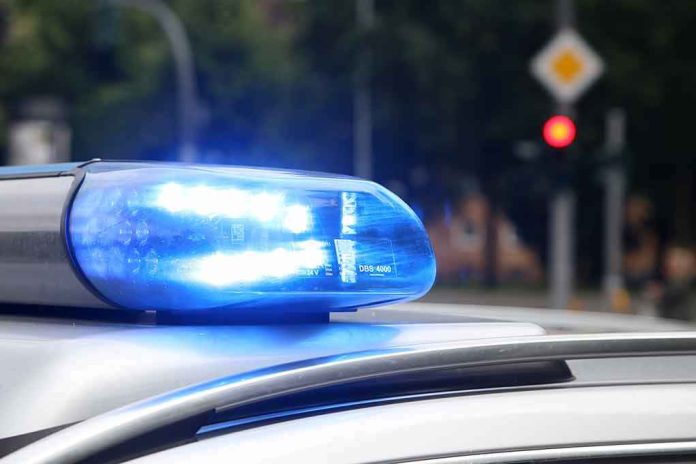
Tacoma police responded after midnight to a crash near Lincoln High School. Officers said Perez’s truck hit a parked vehicle and set off a chain reaction that damaged several cars. Officers reported the smell of alcohol and signs they believed showed impairment. On body camera, Perez said she had some wine and put her intoxication at four out of ten, then said she did not know what was happening and wanted to go home. Police placed her under arrest for driving under the influence.
At the station, prosecutors say Perez failed to provide a usable breath sample after multiple attempts, triggering a refusal enhancement in the case file. Body-camera descriptions across outlets show her declining voluntary field sobriety tests at the scene. Police video also captured her crying and praying in the cruiser, which fueled heavy social coverage but does not decide guilt by itself. Perez later appeared in Tacoma Municipal Court and entered a not guilty plea to driving under the influence and the refusal enhancement.
The Evidence On The Record And The Gaps
The public record shows several pillars for the state: a crash with several damaged cars, an odor of alcohol, an admission of wine, a self-rating of four out of ten, refusal of roadside tests, and an unusable breath sample after repeated tries. The court found probable cause, which is a low legal bar but still a formal check. The reporting does not show a measured blood-alcohol number in public view. That means the case leans on behavior, statements, and officer observations rather than a firm chemical readout.
Refusal behavior often carries weight with juries because it looks like a person trying to avoid proof. Prosecutors treat it as a sign of guilt, and many courts let juries hear about it. Yet refusal is not the same as a number. National traffic safety research shows that test refusal is common. One study linked to the National Highway Traffic Safety Administration found a mean refusal rate of about one in five across states. That context matters because it shows refusal proves strategy more than chemistry.
What Perez And Her Attorney Say
Perez’s words on video and in court draw a careful line. She admits to wine, denies understanding parts of the process, and asks to go home first. None of that concedes impairment. Her lawyer’s message is blunt: it is a routine driving under the influence case; focus on the campaign, not the charge. That is not a factual defense, but it does set expectations. The not guilty plea stands as the right call at arraignment, since evidence testing and discovery are still unfolding.
A conservative reading of personal responsibility presses a basic point: leaders should not drive after drinking, period. The chain-reaction crash, the odor reports, and the on-camera admission of wine put that concern front and center. Fair process still matters. The missing blood-alcohol result leaves room for alternate causes of confusion, such as injury or shock. The court will sort those claims. Voters can hold two ideas at once: wait for the verdict and still expect higher judgment from those who want power.
Politics, Spectacle, And What To Watch Next
The timing is brutal. The arrest came right after a primary win and near the general election. Edited clips move faster than court calendars. Social media rewards tears, prayers, and party labels more than slow facts. That noise helps no one. The next real markers are straightforward: whether a lab number surfaces, what the full body-camera timeline shows, and whether the refusal enhancement holds under the warnings and procedures the law requires. Those items will tell more than any viral video.
Krista Perez — Washington Democratic House candidate charged with DUI after a Tacoma crash; bodycam shows her tearful arrest weeks after winning her primary. Story: https://t.co/r8aI057c3I
— CancelPeople.com (@cancelpeoplenow) September 17, 2026
Probable cause already cleared the first bar. The state now must prove impairment beyond a reasonable doubt without a public blood-alcohol figure on the record. Jurors weigh scenes like this all the time using simple tests: what happened, what the person said, how they acted, and whether the science backs it up. That is common sense. If a firm toxicology result appears, the picture sharpens. If it does not, the case hinges on conduct. Either way, the facts will land soon enough.
Sources:
facebook.com, opb.org, foxnews.com, yahoo.com, seattlered.com, westernjournal.com, law.cornell.edu