

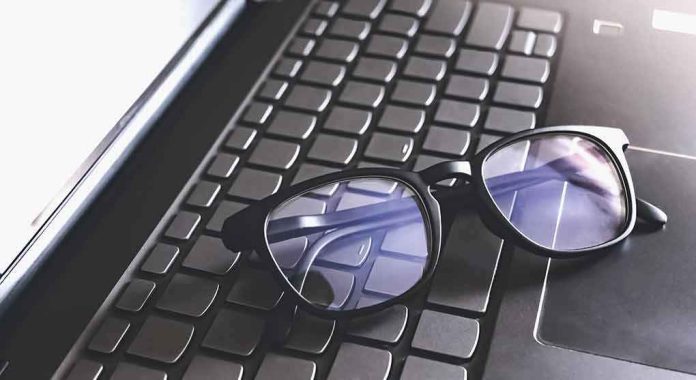
The camera glasses that look like ordinary Ray-Bans have been quietly recording the most private moments of the people around them, according to a new federal lawsuit, and the footage did not stay on the wearer’s phone. The suit says it went to rooms full of contractors on the other side of the world, who watched it, labeled it and fed it to Meta’s artificial intelligence.
More than 70 plaintiffs filed the class action in federal court in Northern California on Thursday, September 18, 2026. Some of them bought the glasses. Others say they were simply in the room.
Story Snapshot
- The complaint says Meta’s AI glasses captured sex, nudity and bathroom activity, and that the clips were routed overseas for human review to train AI models.
- Plaintiffs say every use of the glasses’ AI features uploaded video and audio, and that bystanders who never agreed to be recorded were caught on camera.
- Meta denies the claims: it says media stays on the device unless the user shares it, and that shared content is filtered before any contractor sees it.
- Earlier reporting had already described contractors in Kenya viewing intimate footage from the glasses; regulators in Europe have opened inquiries.
Where This Stands Right Now
The case is at the complaint stage; Meta has said it will fight it. The legal fight will turn on one word in Meta’s marketing, “privacy,” and on what the glasses actually do when a user talks to the built-in assistant. The plaintiffs say that is the moment the recording leaves the device. Meta says users are told, and choose. The judge will decide whether a class of everyone recorded, wearer or not, can proceed together.
What The Glasses Do
The glasses carry a small camera and microphone and a light that is supposed to glow when they record. The suit says the light is easy to miss and the AI features trigger uploads the wearer may not think of as recording. Meta says it has pushed updates that stop the camera when the light is covered and has remotely disabled thousands of units that were tampered with, which the company offers as proof it takes covert filming seriously. The plaintiffs answer that the problem is not tampered glasses; it is the ones working as designed.
Why It Matters At Home
The glasses are sold at eyewear counters and on Amazon, and they look like the glasses on the next face in the restaurant, the gym locker room or the family bathroom. The question in the complaint is not whether a camera on someone’s face can see you. It is who else can.
Sources:
nypost.com, yahoo.com, fortune.com, wired.com, theguardian.com, natlawreview.com