

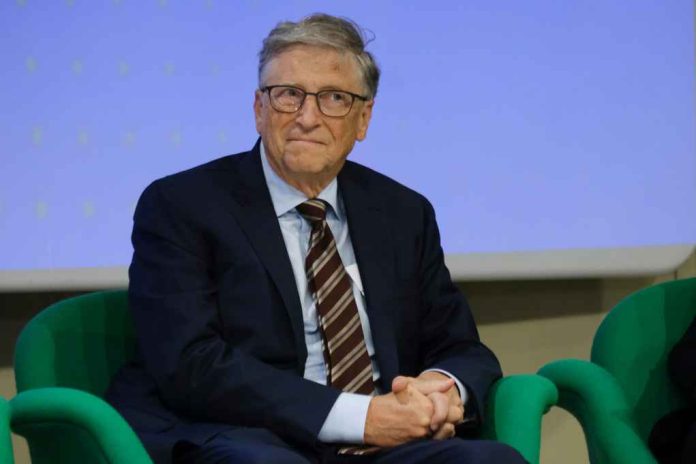
Bill Gates’s latest Epstein testimony turns a long-running friendship scandal into a sharper question: how much did he know, and when did he know it?
Quick Take
- Gates said Jeffrey Epstein never had proof to blackmail him, only “veiled” threats tied to his affairs.
- Gates also said he never saw Epstein commit crimes and never went to his island, ranch, or Florida home.
- The House Oversight Committee released the transcript after a closed-door interview, which fueled fresh public suspicion.
- The case adds to wider anger over elite networks, secrecy, and the weak trust many Americans now place in powerful institutions.
What Gates Told Congress
According to the transcript, Gates told House members that Epstein “contemplated blackmailing” him over extramarital affairs, but Gates said Epstein never sent anything he would call blackmail. Gates also repeated that he never witnessed ongoing criminal conduct and never had any indication Epstein was engaged in it. He said his contact with Epstein centered on philanthropy and ended in December 2014.[2][3][7]
The testimony matters because it mixes denial, regret, and a clear admission of poor judgment. Gates said he knew Epstein had a sexual crime conviction when they met, yet he still pursued talks because Epstein claimed he could connect him with major donors for global health work. That detail makes the story harder to dismiss as simple innocence, even if no official finding says Gates joined criminal acts.[1][2][6]
WASHINGTON — Microsoft founder Bill Gates told US members of Congress that the late sex offender Jeffrey Epstein had sought to 'blackmail' him over his extramarital affairs, according to a transcript of the testimony. pic.twitter.com/2r0h2kBaoS
— The Manila Times (@TheManilaTimes) June 24, 2026
Why the Transcript Is Stirring Doubt
Supporters of Gates point to his direct denials and the lack of any court ruling saying he knew about Epstein’s crimes. Critics point to the same transcript and say it shows a wealthy man ignored obvious warning signs. Gates admitted he should have applied more scrutiny, called the meetings a mistake, and said he was not aware of the full details of Epstein’s 2008 plea.[2][3][4]
The public fight is also about process. The interview was closed to the public, and the transcript came later, which gives critics room to argue that secrecy only feeds suspicion. Democratic lawmakers complained that the session was not under oath, while Trump allies have been locked in their own fights over the broader Epstein files. That chaos keeps the story alive far beyond Gates himself.[3][5][7]
What This Means Beyond One Billionaire
The Gates episode fits a larger problem in modern philanthropy and public life: powerful people often build networks through prestige, private meetings, and trust that outsiders never get to inspect. When those ties later touch scandal, the first defense is often the same one Gates used here, namely that the relationship was limited and businesslike. The release of Epstein-related files keeps testing that claim against documents, timelines, and memory.[2][5][6]
For many readers, the deeper issue is not just Epstein, Gates, or one committee interview. It is the growing belief that elites across politics, finance, and charity often protect themselves first and explain themselves later. This case lands in that nerve center because it involves secrecy, money, reputational damage, and a sex-crime figure who kept moving through top circles long after public warning signs were clear.[1][3][7]
Sources:
[1] Web – Bill Gates testified that Epstein sought to blackmail him: transcript
[2] Web – Bill Gates interviewed about Jeffrey Epstein by House Oversight
[3] Web – Bill Gates | Remarks to the House Oversight Committee
[4] Web – [PDF] Bill Gates Transcript – House Oversight Committee
[5] YouTube – Bill Gates tells Congress relationship with Epstein ‘error in …
[6] YouTube – House releases Bill Gates’ Epstein testimony
[7] Web – Bill Gates testifies before House committee investigating Epstein case