

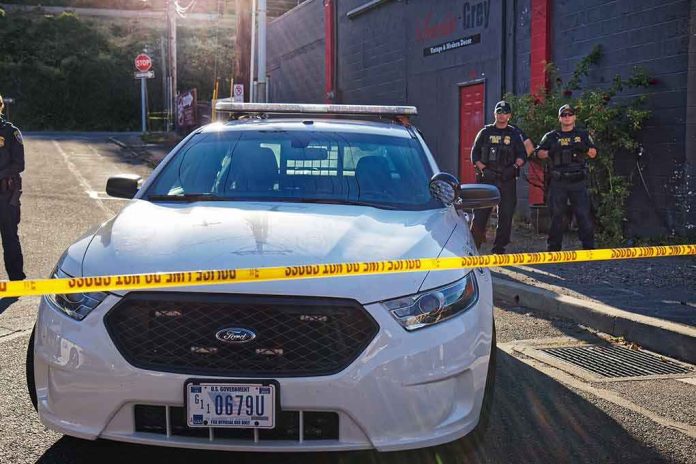
When an 86-year-old political insider can hit a parked car, drive away, and still avoid arrest, it underlines why many Americans believe there are two justice systems in this country — one for regular people and another for the powerful.
Story Snapshot
- Paul Pelosi allegedly struck a parked car in Napa County, briefly stopped, then drove away, leaving “major” damage.
- Deputies later found his damaged convertible nearby; he admitted he “hit something” but said he did not know what.
- Alcohol was ruled out, and he was not arrested at the scene; the case was sent to prosecutors for possible misdemeanor hit-and-run charges.
- Pelosi’s earlier guilty plea in a 2022 driving under the influence with injury case raises fresh questions about accountability for repeat offenders with political connections.
What Napa County Officials Say Happened
The Napa County Sheriff’s Office says Paul Pelosi was driving his brown convertible Friday afternoon on Yount Street in Yountville when he hit an unoccupied, legally parked car. A witness told deputies the car stopped only briefly, then drove away, and called 911 around 2:30 p.m. to report the crash. Officials say the parked vehicle’s rear end and front tire were badly damaged, with the tire forced up onto the curb, suggesting a strong impact rather than a minor scrape.
Deputies say they soon found Pelosi’s convertible partially blocking a nearby roadway, roughly a quarter-mile from the crash site, with “significant” damage to the front right side that matched the hit-and-run report. According to the sheriff’s statement, Pelosi told investigators he knew he had “hit something” but did not know what, and kept driving until the car broke down. No injuries were reported, which keeps the matter in the lower-level category of property-damage-only hit-and-run under California law.’
Hit-and-Run Law and Why Knowledge Matters
Under California vehicle law, drivers involved in any collision must stop right away, share their information, and report the crash to police without delay. Leaving the scene, even when only property is damaged, can trigger criminal hit-and-run charges if prosecutors can show the driver knew or reasonably should have known a crash occurred. Defense attorneys note this “knowledge” rule is often the key battle, because some drivers claim they were unaware of any impact, especially in low-speed or low-damage events.
In this case, officials say a witness saw the collision, damage to both cars was described as “major” or “significant,” and Pelosi himself reportedly told deputies he knew he hit something. Those facts make an “I had no idea” defense much harder to argue, even though he said he did not know exactly what he struck. Because no one was hurt, the sheriff’s office recommended that prosecutors treat the matter as a misdemeanor for fleeing the scene of an accident, rather than a felony. The district attorney will decide whether to file formal charges after reviewing the case.
Alcohol, Age, and the DMV Review
Unlike his 2022 crash, deputies say Pelosi registered 0.00 on a breath test, ruling out alcohol as a factor in the Yountville hit-and-run. That point matters because social media videos and partisan commentary have already tried to link this new case to drunk driving, despite the official test results saying otherwise. The sheriff’s office did not arrest him at the scene, which is common for non-injury misdemeanors but still fuels public anger among people who feel politically connected figures get gentler treatment.
Officials say they referred Pelosi to the California Department of Motor Vehicles for a review to decide if he should keep his license, a step they describe as routine for older drivers after serious incidents. At 86, his age and past record raise obvious safety questions that many everyday drivers also face as they get older. Yet many Americans watching this story see something deeper: a fear that powerful families can count on quiet administrative reviews instead of the swift, visible accountability that average citizens often experience.
Pelosi’s 2022 DUI Case and Public Trust
Only four years ago, Napa County prosecutors charged Paul Pelosi with driving under the influence of alcohol causing injury after a crash near Yountville in May 2022. A blood test taken about two hours after that collision showed a blood alcohol level of 0.082%, slightly over the legal limit. The district attorney said the other driver suffered injuries, and the California Highway Patrol found Pelosi was the “proximate cause” of that crash. The case was treated as a misdemeanor, based on the level of harm to the victim.
Pelosi later pleaded guilty and received five days in jail, three years of probation, mandatory driver education, and an ignition interlock device that required breath tests to start his vehicle. Now, with a fresh hit-and-run investigation in the same county, many people across the political spectrum see a pattern rather than a one-time mistake. For conservatives angry at “elite” double standards and liberals furious about unequal justice, this case reinforces a shared worry: that well-connected figures can keep making dangerous choices on the road while the system struggles to say “enough.”
Why This Case Feeds Distrust in Institutions
Working Americans who live far from Napa’s wine country may never meet Paul Pelosi, but they recognize what this story represents. A repeat offender with close ties to the political class is again under review, not yet charged, after conduct that would likely bring quick citations or arrest for many ordinary drivers. Hit-and-run laws exist to protect people and property and to demand responsibility from anyone behind the wheel, no matter their age, income, or last name.
When enforcement looks slower or softer for the well-connected, frustration grows on both the right and the left. Many see a justice system that reacts fast when a poor or unknown driver flees a crash, but moves more carefully when the person involved is part of America’s political elite. The facts of this case are still moving through the courts, and Pelosi is entitled to due process. Yet the basic lesson many citizens draw is simple: accountability should not depend on who you are, and each time it appears to, trust in government and law enforcement slips a little further.
Sources:
townhall.com, napacounty.gov, abc7chicago.com, facebook.com, latimes.com, apnews.com, burnsjainlaw.com, wklaw.com