

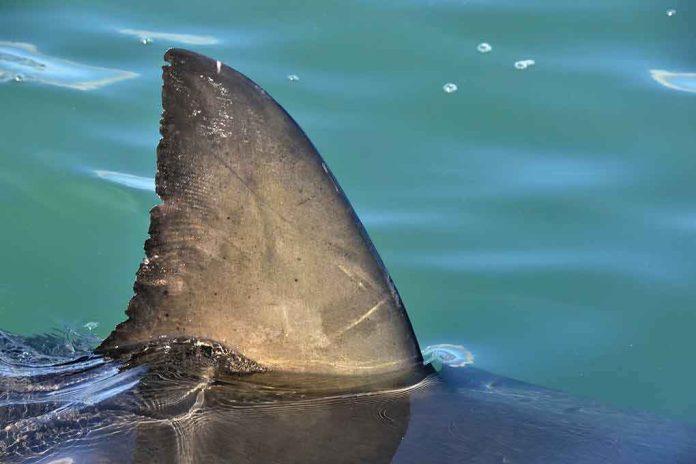
A 63-year-old swimmer was killed by a shark within sight of a busy Perth beach, and Western Australia answered with something it almost never does: an order to hunt the animal down and destroy it.
As of Saturday, September 19, searchers had not recovered his body, and beaches across Perth’s northern suburbs remained closed.
Story Highlights
- Greg O’Neill, 63, was swimming near the shoreline at Sorrento Beach on Friday morning when a large shark, believed to be a great white, took him.
- Western Australia’s fisheries minister authorized a rare catch-and-kill order for the shark.
- Beaches were closed and boats, aircraft and capture gear were deployed along the coast.
- His family described him as a devoted husband, father and grandfather-to-be.
Fatal Attack Near Shore At A Popular Perth Beach
Authorities in Western Australia said the man died after a shark attack at Sorrento Beach, a popular swimming spot in Perth’s northern suburbs. Multiple reports identified him as Greg O’Neill, 63, who was swimming near the shoreline on Friday morning with a friend nearby when a large shark struck. Police later said they were confident the swimmer died in the attack. Some outlets placed it around 10:30 a.m., roughly 15 meters from shore.
Witnesses told reporters the shark pulled the swimmer under in front of beachgoers. Family members later confirmed O’Neill’s identity and described him as a devoted husband, father and grandfather-to-be. They said they were devastated and thanked first responders. By Saturday, recovery teams had still not located his body, and searches continued along the northern coastline while beaches stayed closed.
A Rare Kill Order
Western Australia’s fisheries minister, Jackie Jarvis, took the unusual step of authorizing a catch-and-kill order for the shark believed responsible. The order lets officers destroy the shark if it is captured. Jarvis called the move very unusual and likely the first such order in years. Officials stressed this was not a return to a broad cull, but a targeted response to a lethal threat next to a family beach.
Local agencies closed beaches across northern Perth and put boats and aircraft on the water to monitor for the shark. Crews set capture gear offshore in case it stayed in the area. Police and surf lifesaving teams urged swimmers to stay out of the water and follow closure signs until the all-clear.
Who Greg O’Neill Was
Media outlets reported that O’Neill was a well-liked community member and a family man who enjoyed morning swims. Loved ones described a generous, steady presence who was excited to become a grandfather. Friends who were at the beach that morning said the attack was sudden and violent, leaving no chance for rescue.
Reports varied slightly on the species, with most describing a large great white or one believed to be a great white. That is common in fast-moving beach incidents, where early species calls rely on witness accounts and brief sightings. Officials focused first on public safety rather than a formal species confirmation.
Why These Attacks Draw Big Action In Western Australia
Fatal shark attacks in Western Australia are uncommon, but when one happens near a popular beach the response is swift and visible. Long stretches with few or no deaths have been followed by clusters that drive policy debate, more patrols, and calls for targeted removals near shore.
Debate over hunt-to-kill orders runs hot after each fatality. Some argue they are reactive and may not prevent the next strike. Others say clear action near crowded swim zones reassures the public and cuts immediate risk. Western Australia’s current approach avoids broad culls while allowing a focused response when a single shark is tied to a deadly attack.
Sources:
foxnews.com, abc.net.au, nine.com.au, nypost.com, 7news.com.au