

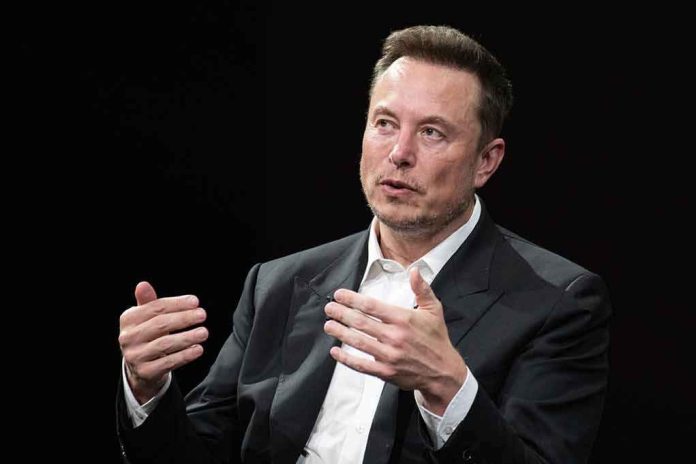
Elon Musk’s claim that he “supports the normal people” in a tense Economist interview has become a fresh flashpoint in the wider fight over who really speaks for ordinary citizens — and who is quietly pushing extreme ideas under that banner.
Story Snapshot
- Musk rejects the “far right” label, saying he backs “normal people” who want secure borders, safe cities, and sensible spending.
- The Economist’s editor challenged him on claims like “civil war in Britain is inevitable,” and on how he talks about immigration and Western values.
- Supporters say his views match common-sense concerns many voters share; critics point to his backing of Germany’s AfD and race-focused posts as proof of far-right politics.
- This clash shows how media, tech billionaires, and political elites fight over labels instead of fixing the real problems frustrating normal Americans and Europeans.
Musk’s “normal people” pitch and the policy list he points to
During his interview with The Economist, Elon Musk pushed back hard when editor Zanny Minton Beddoes said he supports the far right. He replied, “I support the normal people. What you call the far right, falsely,” and then spelled out what he meant. He said normal politics should include secure borders, safe cities, and sensible government spending, and asked which of those ideas is truly extreme. He argued that ten or fifteen years ago, these views were accepted across the political map, not treated as fringe.
Musk’s argument speaks to a feeling many Americans and Europeans share: basic safety, controlled borders, and less waste in Washington or Brussels should not be partisan. Conservatives see years of lax immigration enforcement, rising disorder, and huge deficits as proof elites ignored those basics. Liberals who worry about inequality and community safety also feel leaders talk more about slogans than about making neighborhoods work again. Musk tries to tap that anger by claiming he stands with ordinary people against out-of-touch institutions.
The civil war warning and immigration talk that fuel extremism claims
In the same interview, Musk went far beyond that simple list and said civil war in Britain is “inevitable” if current trends continue. That statement drew a direct challenge from Beddoes and has become a key piece of evidence for critics who say his rhetoric is alarmist or extreme. He also warned about large numbers of immigrants bringing values “antithetical to Western beliefs,” and insisted he is not racist, pointing to his partner’s Indian heritage and diverse leadership at his companies.
Critics argue that tying immigration to vague cultural tests about “Western civilization” sounds less like border management and more like identity politics. When Musk defends content accused of glorifying vigilante violence, or shares videos about demographic change and “replacement,” analysts say he echoes ideas common in far-right and white nationalist circles. Supporters respond that he is talking about protecting stability and rule of law, not race. But because the same themes show up in extreme movements, many media outlets and experts read his words through that lens.
Global political actions that undercut the “only normal people” line
The clash over Musk’s words does not happen in a vacuum. In recent years he has openly backed Germany’s Alternative for Germany party, calling it the country’s “last spark of hope” and rejecting the idea that it is right-wing extremist. He even addressed an AfD campaign event by video, telling Germans there is “too much focus on past guilt,” at a time when that party is shunned by other parties. German leaders, including Chancellor Olaf Scholz, have called his meddling in support of such groups “appalling.”
Investigations also show Musk boosting far-right causes and anti-immigrant politics in many countries since 2023. One analysis found he amplified far-right movements that seek to cut immigration and roll back regulation in at least eighteen countries. Another review of his January social media activity reported that he shared white replacement theories and warned whites face a kind of “genocide,” which experts described as textbook white supremacist narratives. These actions make it harder for critics to accept his claim that he simply backs normal people with normal views.
Media framing, elite distrust, and what “normal” really means
The fight over whether Musk is far right or just “normal” shows how political battles now revolve around labels instead of hard facts. The Economist framed the interview as a test of his “outlandish claims,” while outlets friendly to Musk cast it as a brave stand against a “snooty leftist” editor and biased media. Other reports focus on his global role in lifting far-right parties, while some highlight his insistence that media lies about ordinary conservative views. Each side chooses the clips and quotes that fit its story.
BS BRIEF: Elon Musk traded insults Monday with celebrity chef José Andrés after the World Central Kitchen founder criticized Musk for calling The Economist Editor-in-Chief Zanny Minton Beddoes “a traitor to the West.” The exchange followed Musk’s widely discussed interview with…
— Common Sense with Chad Law (@chadparkerlaw) July 27, 2026
For many readers, this is part of a larger frustration. Tech billionaires, media brands, and elected officials argue about who is “far right,” “woke,” or “normal,” while border chaos, unsafe streets, and runaway spending continue. People on the right see elites smearing basic security concerns as extremism. People on the left see billionaires using fear and identity to distract from growing inequality and their own power. In both cases, citizens feel like pawns in fights among the very elites they no longer trust.
Sources:
youtube.com, thehill.com, x.com, economist.com, gizmodo.com, instagram.com