

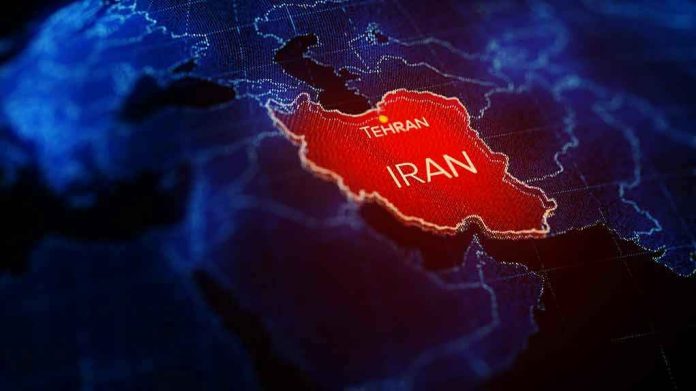
Iranian protests over economic grievances intensify, spotlighting government crackdowns and escalating calls for regime change.
Story Snapshot
- Protests spread across 20+ Iranian cities, with at least 20 deaths reported.
- Government crackdown includes tear gas and live ammunition against demonstrators.
- Merchants and students lead strikes, demanding economic reform and political freedom.
- International condemnation grows as Iran’s government faces increasing pressure.
Economic Strife Fuels Unrest Across Iran
Protests erupted in Iran at the end of December 2025, initially focused on economic grievances in Tehran’s commercial districts. The unrest quickly spread to major cities, with demonstrators calling for political change. The Iranian government’s response has been severe, deploying tear gas and live ammunition, resulting in at least 20 fatalities by early January 2026. This situation underscores the long-standing economic issues that have plagued the nation, exacerbated by sanctions and policy failures.
These protests are characterized by a blend of merchant strikes and widespread socioeconomic grievances. Unlike previous demonstrations, such as the 2022 Mahsa Amini unrest, the current protests feature explicit regime-change slogans, such as “Death to the dictator,” and have led to nationwide business shutdowns. These closures, though attributed to cold weather and energy constraints, are seen by many as tactics to suppress dissent.
Government’s Heavy-Handed Response
The Iranian government, led by President Pezeshkian, has acknowledged the constitutional right to peaceful protest but has been unable to control the security forces’ harsh responses. Supreme Leader Khamenei remains a focal point of the protesters’ anger. The security forces, including the IRGC and police, have been actively suppressing the protests, leading to increased violence and arrests.
The death toll has risen to 20, with approximately 1,000 individuals arrested. The government has been attempting to portray the strikes and shutdowns as weather-related, but analysts suggest these are deliberate attempts to stifle the growing dissent. Meanwhile, international bodies, including the U.S. State Department, have condemned the violence and called for restraint.
Impact and Future Implications
The protests have caused significant disruption to Iran’s economy, with markets halted and urban commercial hubs affected. Short-term implications include further economic paralysis and an increase in violence and arrests. In the long term, these protests could potentially destabilize the regime if the grievances, which have evolved from economic to political, are not addressed.
As the situation unfolds, the widespread participation of merchants, students, and other groups signals a unified front against the government, challenging the current regime’s policies and leadership. These developments highlight the blurred lines between economic demands and calls for regime change, emphasizing the need for genuine reform rather than mere rhetoric.
Sources:
Iran protests continue for 6th day as death toll reaches at least 10
Protests spread in Iran as death toll reaches 20 with nearly 1,000 arrested