A prominent Republican senator is sounding the alarm that Trump administration military strikes on alleged drug boats in the Caribbean represent far more than counternarcotics operations—they’re a dangerous prelude to war with Venezuela that threatens constitutional limits on executive power.
Quick Take
- Senator Rand Paul characterizes Caribbean military strikes as “prelude to war” with Venezuela, raising constitutional concerns about executive military authority
- Five announced strikes since September 2025 have killed approximately 26 people, with conflicting reports about casualties and Defense Secretary Hegseth’s alleged “kill everybody” order
- Colombian President Gustavo Petro suspended intelligence sharing after the strikes, signaling erosion of trust with a key regional ally
- Bipartisan Senate investigation underway examining whether operations constitute lawful drug interdiction or illegal extrajudicial killings in international waters
Constitutional Concerns Drive Republican Opposition
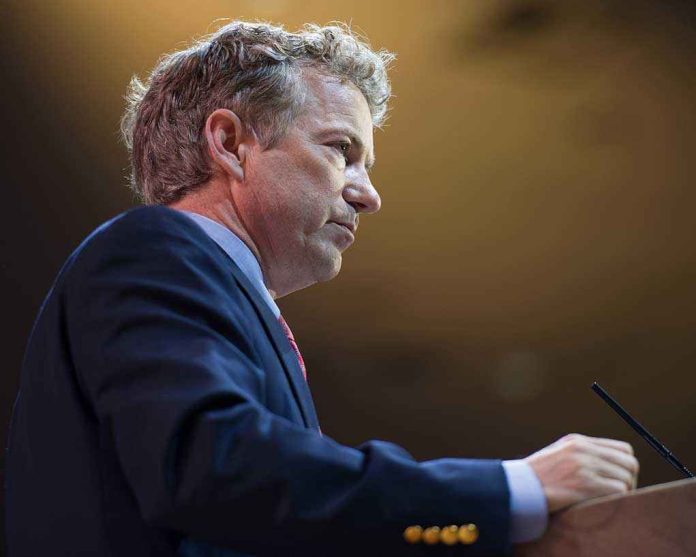
Senator Rand Paul’s December 2 characterization of the strikes as a “prelude to war” reflects serious constitutional concerns about executive military authority. Paul called for Defense Secretary Pete Hegseth to take responsibility for the second strike, emphasizing that the Republican-led Armed Services Committee would conduct a bipartisan investigation into the operations’ legality. This marks a significant moment: a prominent Republican senator challenging the Trump administration’s military actions on constitutional grounds.
The core issue centers on whether the Trump administration conducted lawful drug interdiction operations or overstepped constitutional limits on presidential war-making authority. Traditional US drug interdiction in the Caribbean has involved boarding and capturing suspected vessels, not destroying them with lethal force in international waters. The shift to direct strikes represents a departure from established maritime law practices and raises questions about whether Congress properly authorized these military operations.
Five Strikes, Mounting Questions About Command Authority
The campaign began in September 2025 with the first strike killing 11 people, followed by additional strikes on September 15, September 16, October 14, and October 24. The most recent announced strike occurred October 24, with no new operations announced since. The casualty figures—11, 3, 6, and 6 deaths across the announced strikes—represent significant loss of life in operations that the administration frames as counternarcotics work.
Command authority narratives have shifted, creating ambiguity about decision-making processes. Defense Secretary Hegseth initially implied personal authority over strike decisions but later acknowledged that Navy Vice Admiral Frank “Mitch” Bradley possessed “complete authority” to order the second strike. This inconsistency raises questions about whether the Trump administration has clearly defined protocols for authorizing lethal military operations against suspected drug traffickers.
Regional Allies Question Legality and Effectiveness
Colombian President Gustavo Petro suspended intelligence sharing on November 11, 2025, after the strikes killed people allegedly including Colombian nationals. This suspension signals serious concerns from a key US ally about the operations’ legality and the Trump administration’s decision-making processes. While Colombian defense and interior ministers subsequently indicated continued cooperation, the public suspension reflects erosion of trust in US military judgment.
International legal experts and human rights organizations have characterized the killings as potentially illegal under US and international law. The Colombian and Venezuelan governments have accused the United States of extrajudicial murder, raising concerns about compliance with laws of armed conflict and maritime law. These accusations suggest the operations may exceed lawful authority regardless of their effectiveness against drug trafficking.
Trump Administration Claims Victory Despite Scrutiny
President Trump characterized the operations as highly successful, claiming that each destroyed boat saves approximately 25,000 lives and that the administration has “knocked out over 90%” of drug trafficking threats. The White House defended the second strike as lawful, stating that Admiral Bradley’s order was “within his authority and the law.” Defense Secretary Hegseth emphasized that “the American people are safer because narco terrorists know you can’t bring drugs through the water.”
However, these claims lack independent verification. Trump’s assertion that 90 percent of drug trafficking threats have been eliminated remains unsubstantiated by credible counternarcotics analysts. The administration’s legal defense—that Admiral Bradley possessed authority to order the strikes—does not address broader constitutional questions about whether Congress authorized these military operations or whether they comply with international maritime law.
Congressional Investigation Will Define Precedent
The bipartisan Senate Armed Services Committee investigation represents a crucial constitutional moment. If the investigation determines the strikes were lawful and necessary, it establishes precedent for unilateral presidential military action against suspected drug traffickers in international waters. If it finds the operations exceeded constitutional authority or violated international law, it could constrain future executive military decisions and reinforce congressional oversight of war powers.
The stakes extend beyond Venezuela. The operations’ outcome will influence how future administrations approach military action against transnational criminal organizations, regional adversaries, and suspected threats to American security. Conservative concerns about executive overreach and constitutional limits on presidential authority have found expression through Senator Paul’s bipartisan investigation, suggesting that concerns about unchecked executive power transcend partisan divisions.
Sources:
2025 United States Military Strikes on Alleged Drug Traffickers