

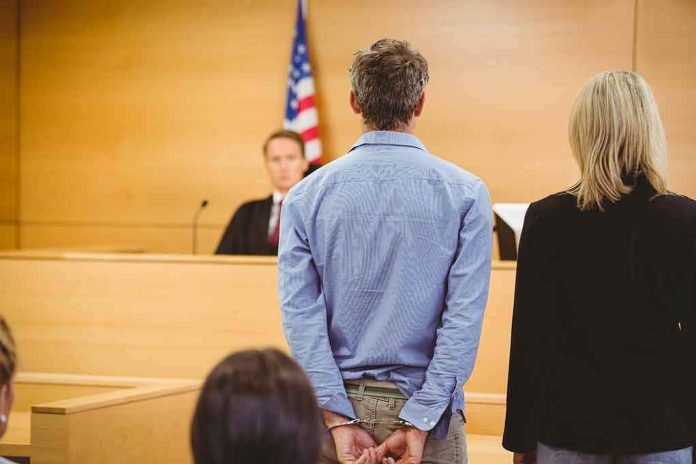
When a convicted killer suddenly claims his “actual innocence” and blames the system for a false confession, it raises hard questions about whether Americans can trust the justice process at all.
Story Snapshot
- Bryan Kohberger has filed a post-conviction petition to withdraw his guilty plea in the University of Idaho murders case, claiming he was misled into confessing.
- He says his plea was driven by “false promises” and “blatant disinformation” from his own defense lawyers, including claims about prison conditions and life on death row.
- Legal experts say he faces a very high bar under Idaho’s “manifest injustice” standard and that his chances of success are “slim to none.”
- The move reopens wounds for victims’ families and feeds broader worries on both the right and the left about a justice system run by insiders, not by the people it serves.
What Kohberger Is Now Telling the Court
Bryan Kohberger, serving four life sentences for the 2022 murders of four University of Idaho students, has filed a petition for post-conviction relief in Idaho asking to withdraw his guilty plea and reopen the case. In a statement shared through his family and in court papers, he now claims he is “actually innocent” and that his plea “hinged on false promises and blatant disinformation” from his own lawyers. He says the confession was not a free choice but the result of pressure and wrong advice.
According to reporting on his handwritten filing, Kohberger argues his defense team pushed him into the deal by promising better prison conditions if he pled guilty and by painting a terrifying, and he says dishonest, picture of life on death row. He claims they told him he could plead guilty without telling the truth, even though he “vehemently denied” his actual guilt during talks. He also says lawyers failed to share or discuss key evidence, including an “unknown hair in Ethan Chapin’s hand,” which he believes might point away from him.
The Original Plea Deal and Why It Matters Now
In June 2025, Kohberger stood in open court and admitted to killing four students in Moscow, Idaho, in exchange for a deal that took the death penalty off the table. The agreement gave him four consecutive life sentences and required him to give up his right to appeal or seek a lighter sentence, a major trade in one of the country’s most watched murder cases. During the plea hearing, the judge walked him through his rights and accepted the plea as knowing and voluntary, creating a strong record that he understood what he was doing.
That history is why his new claims face such steep odds. Idaho’s rules make it easier to change a plea before sentencing but much harder afterward. Once sentence is imposed, a judge can allow withdrawal only to correct a “manifest injustice,” a legal term that means something deeply unfair or wrong in how the plea happened. Experts say he must now prove either that his lawyers gave constitutionally poor help or that lies or threats made his plea not truly voluntary—and that he would have gone to trial if he had been properly advised.
Legal Odds, Public Anger, and Deeper System Fears
Attorneys who follow the case say that, while such post-conviction petitions are not rare, winning one is very unusual, especially after a careful plea hearing in a high-profile case. One legal scholar told CNN that, based on Idaho law, Kohberger’s chances are “slim to none.” So far, the strongest evidence for his claims is his own after-the-fact account in the petition and interviews, not independent proof from emails, witnesses, or recordings of his lawyer meetings. The court will decide whether that is enough even to explore his claims further.
For the families of the victims, the filing feels like salt in an open wound. Relatives of Kaylee Goncalves blasted the move as manipulative “revictimization” and likened Kohberger and his supporters to a “mosquito” that keeps returning. Many Americans, left and right, look at cases like this and see a justice system that seems to bend around insiders, plea deals, and backroom talks more than open trials and transparent truth. Some wonder whether powerful lawyers and officials can shape outcomes in ways ordinary people never fully see.
Why This Fight Resonates Beyond One Murder Case
The Kohberger petition taps into broader frustration with how criminal justice now works in America. Most major cases end in plea deals, not jury trials, because the stakes—like the death penalty or decades in prison—pressure defendants to cut deals rather than risk everything at trial. For conservatives, this can feel like one more example of a system that fails to deliver firm, honest justice amid rising crime. For liberals, it can look like a machine that pushes people into guilty pleas they may not fully understand, especially when facing seasoned prosecutors and complex evidence.
🚨 ASHLEIGH BANFIELD LOOKS AT BRYAN KOHBERGER'S BID TO REOPEN THE IDAHO CASE
In the latest episode of @DropDeadSrs_POD, Ashleigh Banfield breaks down the latest legal developments after Bryan Kohberger filed a post-conviction petition seeking to withdraw his guilty plea in the…
— Voices and Evidence (@VoicesEvidence) July 28, 2026
Here, a man who already confessed in court now says he was misled by the very lawyers meant to defend him and that the state’s case is a “myopic work of fiction.” Whether his claims succeed or not, they highlight how much power is held by a small group of legal players and how little the public sees of what happens in rooms where plea deals are made. For many Americans who feel the “deep state” and legal elites protect themselves first, this kind of reversal only deepens doubt that the system is serving truth and ordinary citizens rather than its own process and reputation.
Sources:
washingtontimes.com, foxnews.com, abcnews.com, youtube.com, wvia.org, independent.co.uk, mybellinghamnow.com, coi.isc.idaho.gov, cnn.com