

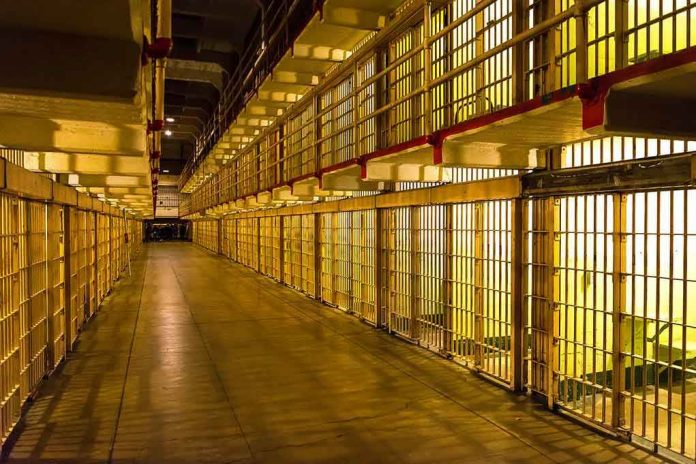
New York’s own child welfare bureaucracy is accused of locking kids in filthy solitary cells for weeks without toilets, in a grim reminder of how blue‑state systems abuse power while preaching “compassion.”
Story Snapshot
- A federal class action says New York’s juvenile facilities kept children in near‑total isolation for weeks or months, sometimes without toilets or basic hygiene.
- The lawsuit claims these practices violate the Constitution and federal disability laws, especially for kids with mental health and developmental issues.
- Advocates say New York banned solitary for youth in adult jails even as its own youth agency quietly used it under new labels.
- The case exposes how big‑government systems fail vulnerable kids even while demanding more money and power.
Allegations of ‘barbaric’ solitary confinement inside New York youth facilities
The new federal class action filed in January 2026 targets New York’s Office of Children and Family Services, the state agency that runs secure juvenile centers for court‑involved youth. According to the complaint and advocacy materials, children as young as twelve were locked alone in their rooms up to twenty‑four hours a day, for days, weeks, and sometimes months at a time. During these stretches, kids reportedly had little or no chance to leave their cells, challenge their confinement, or access routine services.
NY kids kept in state solitary confinement for months without toilets, new suit claims: ‘Barbaric’ https://t.co/bzMU70UNIq pic.twitter.com/2vhPhw9z6C
— New York Post (@nypost) January 9, 2026
Inside isolation, advocates say basic human needs were routinely ignored. Youth allegedly missed mandated schooling, counseling, recreation, and rehabilitative programs that state law is supposed to guarantee. Even more disturbing, the lawsuit describes children being denied regular access to toilets and forced to use buckets or trash cans in their rooms. Food was sometimes delivered in ways that compounded the lack of hygiene. For parents and grandparents who believe government should meet at least minimal standards of decency, these accounts are deeply alarming.
How New York’s reforms and rhetoric diverged from reality on the ground
For years, New York politicians touted juvenile justice “reforms,” including laws that raised the age of criminal responsibility and prohibited solitary confinement of minors in adult jails and prisons. Medical and human‑rights groups widely agree that isolating children causes serious psychological harm, especially for those with trauma histories. Yet the lawsuit argues the state quietly preserved similar isolation in its own youth facilities, simply rebranding it as room confinement, unit lockdowns, or movement restrictions while conditions remained effectively the same.
The complaint highlights state‑run facilities such as the Industry Residential Center, MacCormick Secure Center, and Goshen Secure Center. There, teens and young adults—often Black and Brown youth with ADHD, PTSD, depression, or other disabilities—allegedly spent twenty‑two to twenty‑four hours a day alone, sometimes for non‑disciplinary reasons. Entire housing units were reportedly locked down for days, cutting all residents off from school and programs regardless of individual behavior. For families who expect public institutions to respect equal protection and due process, this pattern raises serious rule‑of‑law concerns.
Disabled youth, family rights, and the constitutional stakes
The plaintiffs argue these practices violate the Eighth Amendment’s ban on cruel and unusual punishment, the Fourteenth Amendment’s due process and equal protection guarantees, and federal disability statutes like the Americans with Disabilities Act and the Rehabilitation Act. Many of the youth at issue receive special education services or have documented mental health and developmental needs. The lawsuit claims the state responded to disability‑related behaviors not with treatment or structured support, but with harsher and more frequent isolation, deepening the very problems it is legally obligated to address.
For conservatives who value family authority and limited government, the story lands on several fronts at once. Parents report being unable to visit or even reliably communicate with their children during long lockdowns, as agency rules and opaque practices effectively cut families out. Meanwhile, the same state that lectures the rest of the country on equity and “kids’ rights” stands accused of operating what advocates call barbaric, unsanitary lockups. That gap between rhetoric and reality is exactly why many Americans distrust big bureaucracies that face little real accountability.
Why this matters in Trump’s America and what comes next
The case arrives at a time when the Trump administration has stressed law and order while also demanding basic accountability from entrenched agencies and union‑protected systems. Most conservatives agree violent offenders must be contained and communities kept safe. At the same time, they expect government institutions—especially those holding minors—to obey the Constitution, respect due process, and use tax dollars for genuine rehabilitation rather than secretive, degrading practices that appear to fail both kids and the public.
Because the lawsuit was just filed, there is no ruling yet on class certification, preliminary injunction, or the long‑term fate of the solitary confinement policies. The plaintiffs seek court orders forcing systemic change across New York’s youth facilities, including clear limits on isolation, guaranteed schooling and mental‑health care, and basic sanitation standards. However the court ultimately rules, the case is a stark reminder that concentrating power in unaccountable state systems rarely protects the vulnerable—and that vigilant oversight remains essential to defending constitutional and family values.
Sources:
New York’s child welfare agency sued over solitary confinement
Legal Aid Class Action Challenging OCFS Solitary Confinement Practices
Lawsuit to End Solitary Confinement for Children