

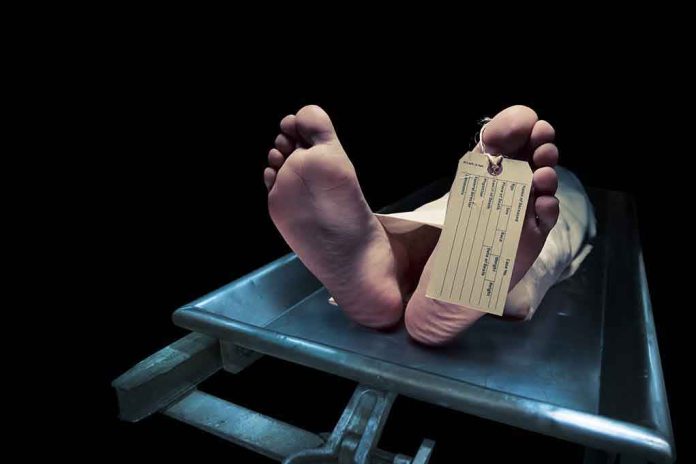
A veteran forensic pathologist who has investigated over 6,000 deaths reveals the two most horrific ways to die, exposing preventable tragedies that highlight the importance of basic medical awareness and personal responsibility.
Story Highlights
- Forensic pathologist Roger Byard identifies being buried alive and bleeding out from varicose veins as the worst deaths
- Bizarre cases include fatalities from flying mackerel fish and rooster attacks on elderly victims
- Many deaths are preventable with proper medical care and basic first aid knowledge
- Career investigating gruesome cases has taken severe emotional toll, causing PTSD
Expert Reveals Most Terrifying Deaths
Forensic pathologist Roger Byard, known as “Doctor Death,” has witnessed humanity’s darkest moments through over 6,000 autopsies. His extensive career investigating deaths from serial killers like the Snowtown murders to bizarre animal-related fatalities has given him unique insight into mortality’s worst scenarios. Byard identifies two particularly horrific ways to die that stand out among thousands of cases he has examined throughout his career.
Preventable Tragedies and Personal Responsibility
The two worst deaths Byard has encountered are being buried alive and bleeding out from untreated varicose veins following minor injuries. These scenarios represent the ultimate failure of personal preparedness and medical awareness. The varicose vein deaths particularly highlight how elderly Americans must take responsibility for their health conditions and understand basic first aid measures like elevating wounds and applying pressure.
Unusual Cases Highlight Life’s Fragility
Byard’s case files include extraordinary fatalities that defy common expectations about danger and safety. A man was killed by a flying mackerel fish, while an elderly woman bled to death after a rooster attack due to her varicose veins. These cases demonstrate how quickly life can change and underscore the importance of being aware of one’s medical vulnerabilities and taking appropriate precautions.
The pathologist emphasizes that many deaths he investigates are entirely preventable with proper medical care and basic knowledge. Simple actions like elevating injured areas and applying direct pressure to wounds could save lives, particularly among elderly individuals with pre-existing conditions like varicose veins that increase bleeding risks.
The Human Cost of Investigating Death
Byard’s career has extracted a severe emotional toll, resulting in PTSD from exposure to gruesome scenes including incinerated and starved bodies. The pathologist faces the additional burden of consoling grieving families while often being unable to provide clear answers about their loved ones’ deaths. This reality highlights the dedication required by professionals who serve communities by investigating traumatic deaths and seeking truth for families.